What Is Keratin Treatment vs Rebonding: Which One Actually Suits Your Hair Type?
If you live in Singapore, you already know the struggle. Step out for a few minutes, and your hair starts to frizz, puff up, or lose shape completely. For hijabis, it can feel even more frustrating. Your hair sits under your scarf all day, which can lead to flatness, dryness, or uneven texture.
So when you hear about keratin treatment and rebonding, it sounds like the perfect solution. But then comes the confusion.
Which one is better?
Which one lasts longer?
And most importantly, which one is right for your hair?
This guide will not just explain what each treatment is. It will help you decide what actually suits your hair type, your lifestyle, and your daily routine.
What Is Keratin Treatment?
A keratin treatment is a hair smoothing treatment that helps reduce frizz and make your hair easier to manage.
Your hair naturally contains keratin, which is a type of protein. Over time, things like heat styling, colouring, and even daily exposure to humidity can weaken it. This is where the treatment comes in. It adds keratin back into your hair to smooth the surface.
What does it do?
- Reduces frizz and puffiness
- Makes hair smoother and softer
- Adds shine
- Makes styling quicker and easier
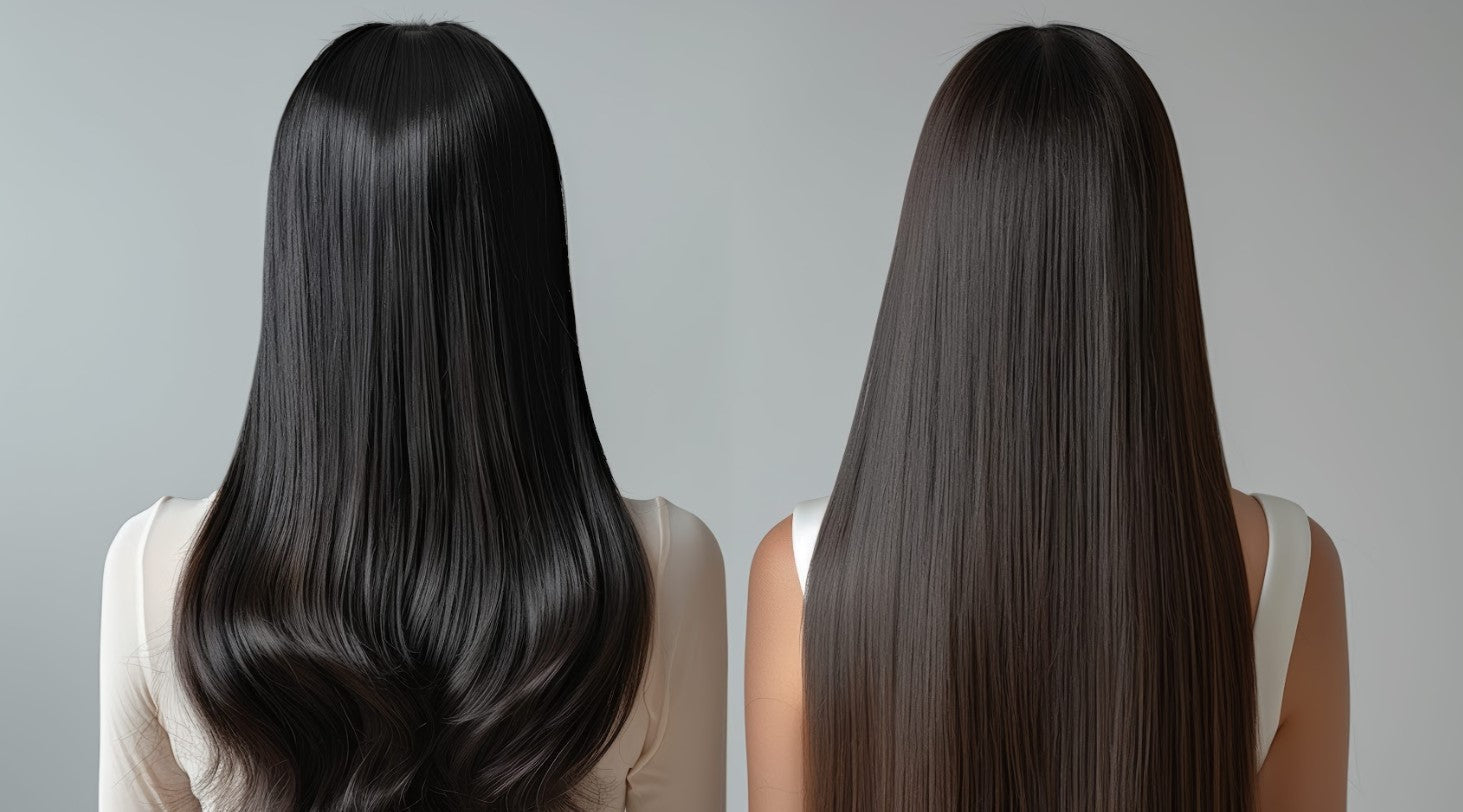
The result is not pin-straight hair. Instead, your hair looks more natural, polished, and healthy.
Who is it best for?
- Frizzy or slightly wavy hair
- Dry or damaged hair
- Hair that is hard to manage in humid weather
What are the limitations?
- It is not permanent
- Results usually last a few months
- Your natural texture will slowly come back over time
If you want something low-commitment and gentle, this is often a good place to start.
What Is Rebonding?
Rebonding is a chemical straightening treatment that permanently changes your hair structure.
It works by breaking down the natural bonds in your hair and rebuilding them in a straight shape. This is why the result is very sleek and straight.
What does it do?
- Turns curly or wavy hair into straight hair
- Gives a smooth, glossy finish
- Keeps hair straight until new hair grows out
Who is it best for?
- Very curly or thick hair
- Hair that is difficult to control
- Those who want a long-term straight look
What are the risks?
- Can cause dryness or damage if not done properly
- Hair may feel stiff if over-processed
- Noticeable regrowth, where new hair is curly but ends are straight
Hair rebonding gives dramatic results, but it also requires more commitment and care.
Keratin Treatment vs Rebonding: What’s the Real Difference?
Here is a simple way to compare both:
|
Factor |
Keratin Treatment |
Rebonding |
|
Results |
Smooth, natural-looking hair |
Straight, sleek hair |
|
Longevity |
Lasts a few months |
Permanent on treated hair |
|
Maintenance |
Easier to maintain, grows out naturally |
Requires touch-ups due to regrowth |
|
Hair Health |
Generally gentler, helps improve condition |
Stronger chemicals, higher risk of damage |
If you prefer flexibility and softness, keratin is often the better choice. If you want straight hair with minimal daily styling, rebonding may suit you more.
Which One Suits Your Hair Type?
Let’s make this simple.
- If your hair is frizzy but still soft, go for a keratin treatment. It smooths your hair without taking away volume or movement
- If your hair is thick, curly, and very stubborn, rebonding might be more suitable. It gives you a long-lasting straight result
- If your hair is damaged or bleached, be careful. Keratin is usually the safer option as it is less harsh
- If you are unsure, start with keratin. It is less risky and easier to maintain
At the end of the day, every head of hair is different. What works for someone else may not work for you. If you are still unsure, it is always best to speak to a professional.
At Pearlista, our stylists understand the unique needs of hijab-wearing women, from managing frizz in Singapore’s humidity to dealing with flatness under daily coverage. A personalised consultation can help you choose a treatment that suits your hair type, lifestyle, and comfort.
What About Hijab Wearers?
This is where the choice becomes more personal.
When your hair is covered most of the day, certain issues become more noticeable.
Flatness and lack of volume
Rebonded hair can become very flat under a hijab. Since it is already straight, it may lose body quickly. Keratin-treated hair keeps a bit of natural volume, so it tends to look less flat when uncovered.
Daily maintenance
Keratin is easier to manage. Even if your hair gets slightly bent or pressed under your scarf, it still looks natural. Rebonded hair may need more effort to keep it looking neat, especially at the roots.
Breakage and long-term health
Since rebonding uses stronger chemicals, it may lead to more breakage over time, especially with constant friction from wearing a hijab. Keratin is gentler and can help maintain healthier strands in the long run.
Keratin Treatment vs Rebonding: Which Is Best for Your Hair
There is no one “best” option. The right choice depends on your hair type, your routine, and how much maintenance you are comfortable with.
If you want something natural, flexible, and easier to care for, keratin treatment is often a great fit. If you prefer sleek, straight hair and do not mind the upkeep, rebonding could work for you.
At the end of the day, your hair should feel comfortable, manageable, and healthy. Choose the option that fits your lifestyle, not just the trend.
Book your consultation at Pearlista ladies hair salon today and find the right treatment for your hair.